
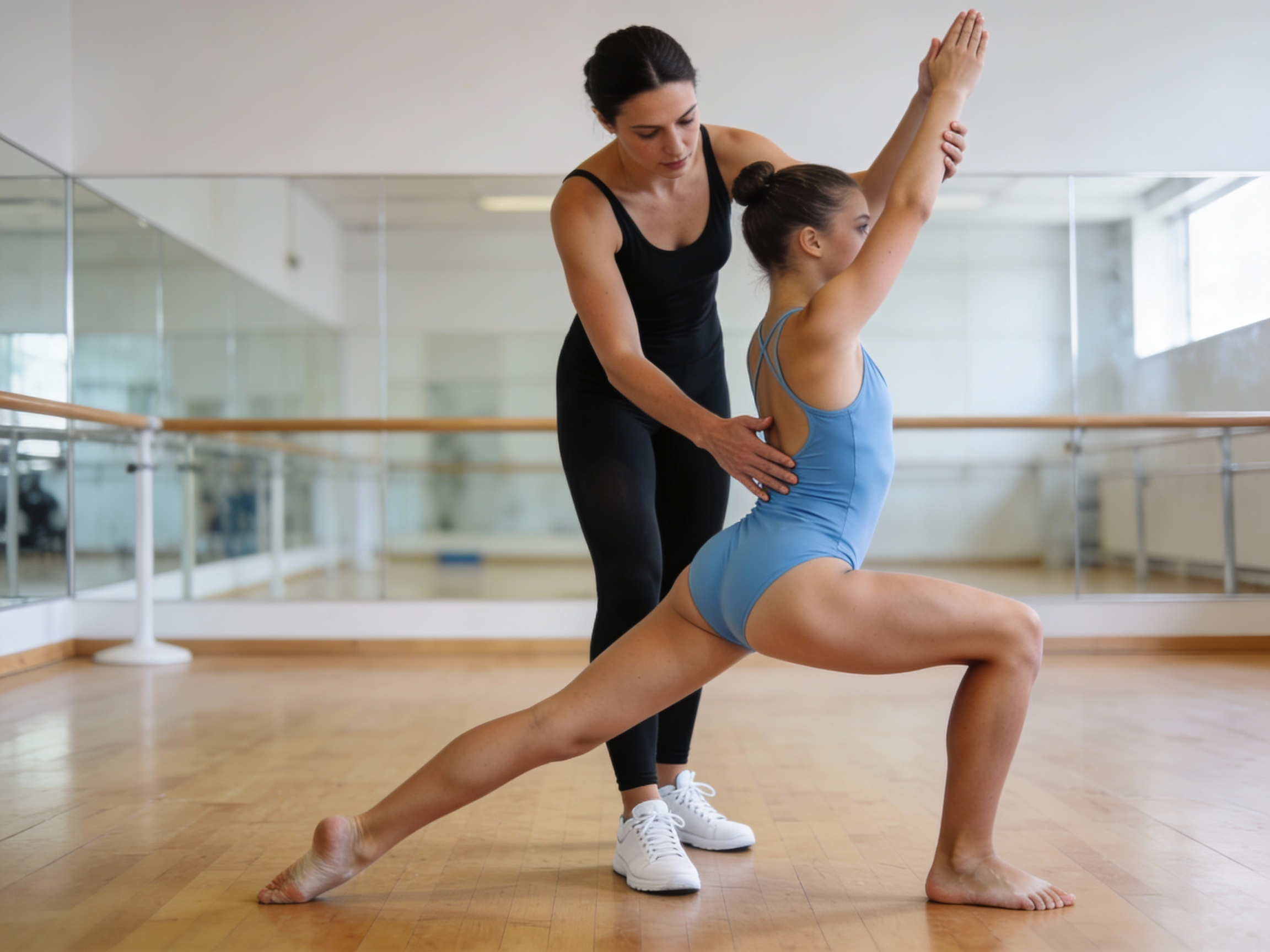
Fitness coaching is growing quickly, but the real question is whether gyms, studios, and independent coaches are set up to compete in the new landscape. Since 2020, more people have trained through online programs, apps, and remote coaching. At the same time, in-person fitness is still valuable because it creates stronger connection, better form correction, and a clearer sense of community. The market has not chosen one format. It is moving toward both, and that is forcing providers to rethink how they operate.
Competition is also heavier than it used to be. A studio is no longer competing only with the gym down the street. It is competing with online coaches, subscription platforms, and creators who can sell training plans at scale. Clients have more options, more information, and higher standards. Many people now decide based on value and outcomes, not brand name. They want to know what they will get for the time and money they invest, and they will switch quickly if the experience feels generic or inconvenient.
Several forces are pushing this shift. Demand is rising, but so is the number of providers. Large platforms and well-funded brands have raised expectations for what “good” looks like in terms of content quality, ease of use, and customer support. At the same time, the line between “training” and “education” is blurring. People do not just want workouts. They want to understand nutrition basics, recovery, mobility, technique, and how to train for their specific goal. As a result, providers who only offer sessions, without a wider system, often struggle to keep clients engaged long term.
To compete, fitness coaching providers may need to make bigger moves rather than small improvements.
Redesign offerings around clear client outcomes instead of vague categories like “personal training” or “group classes.” Clients think in results: getting stronger, losing weight, reducing pain, improving performance, building consistency, or feeling confident in the gym. When a program is built around a specific result for a specific type of person, it becomes easier to market, easier to sell, and easier for clients to commit.
The second move is to treat in-person and online coaching as one connected journey, not two separate products. In-person training is excellent for technique, accountability, and trust. Online coaching is excellent for consistency between sessions, scalable support, education, and tracking. When those pieces work together, clients stop feeling like they are “on their own” between workouts. A gym also stops being limited by the number of hours a trainer can be on the floor. Hybrid models let clients keep momentum even when travel, schedule changes, or budget shifts happen.
The third move is to offer flexible paths instead of one rigid model. Many clients do not need the same level of support forever. They may start with higher-touch coaching, then move to a lighter plan once habits are built. Others may do the opposite. If a provider has clear steps that clients can move through without friction, retention improves. People stay because they can adjust without quitting.
The fourth move is to upgrade the coaching experience beyond the workout itself. In the online world, many programs fail because clients feel isolated and confused. In the in-person world, many programs fail because clients do not follow through outside the session. The coaching experience has to include onboarding, goal-setting, routine building, progress check-ins, and simple feedback loops. When clients know what to do, why they are doing it, and how they are progressing, they are more likely to stay consistent. That consistency is what creates results, and results are what create referrals.
The fifth move is to prove outcomes in a way that clients and partners understand. In fitness, this does not need to be complicated, but it does need to be real. Clear before-and-after measures, strength progress, adherence trends, pain or mobility improvements, and completion rates matter. This becomes even more important if a studio wants partnerships with local businesses, clinics, or community groups. Those partners will ask, directly or indirectly, whether your program works. Providers who can track and communicate impact will win more trust and more opportunities.
The bottom line is that fitness coaching is no longer defined only by where training happens. It is defined by the full system: how you guide people, how you keep them consistent, and how you deliver results across both in-person sessions and online support. Providers who build flexible, outcome-driven programs and a strong client experience will be in the best position to grow as the market continues to evolve.

ChangEdwardS partners with creative leaders in business and society to tackle complex and important challenges. Our focus is on business strategy that brings transformational approaches. We want to empower organizations to grow and build sustainable competitive advantages that bring a positive impact to society. We bring deep industry specific functional expertise with a range of perspectives that question the status quo.
© ChangEdwardS. All rights reserved